
If your teen has been told they need a palatal expander, you probably have questions. This is one of the most common orthodontic appliances we use, but it is also one of the most misunderstood. We want to walk you through what a palatal expander actually does, why your teen might need one, and what the experience looks like from start to finish.
What Is a Palatal Expander
A palatal expander is a fixed appliance that widens the upper jaw over time. It is not the same as braces. While braces move individual teeth, an expander works on the bone structure itself, gently separating the two halves of the upper jaw at the midline suture so that new bone can grow in between.
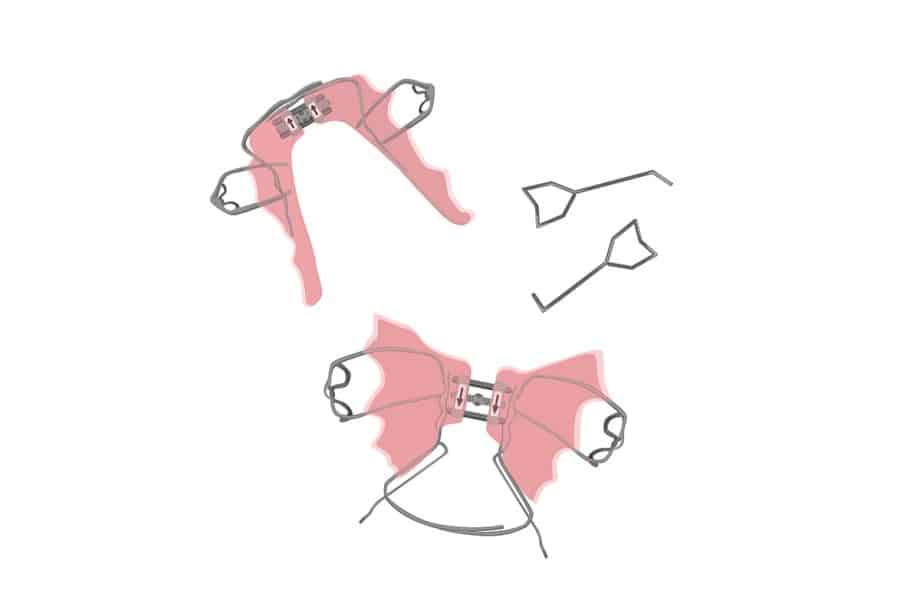
Most expanders are custom fit to the roof of the mouth and attached to the back molars using bands or bonding material. A small screw sits in the center, and turning it applies gentle pressure that spreads the jaw apart a fraction of a millimeter at a time.
We typically recommend expanders during the pre-teen or early teen years because the bones in the upper jaw have not yet fully fused. This makes it possible to widen the palate without surgery. Once that suture fuses completely in early adulthood, expansion becomes much more difficult and often requires a surgical approach instead.
Why Teens Need Palatal Expanders
There are several reasons we might recommend a palatal expander for a teenage patient.
Crossbite correction. When the upper jaw is narrower than the lower jaw, the back teeth can end up biting inside the lower teeth instead of outside them. This is called a posterior crossbite, and it can lead to permanent tooth wear if left untreated.
Crowding. A narrow upper arch often does not have enough room for all the permanent teeth to come in properly. Widening the palate creates additional space, which can reduce or eliminate the need for tooth extractions later in treatment.
Impacted teeth. Sometimes a tooth, especially a canine, gets stuck below the gumline because there is not enough room for it to erupt. Expanding the arch can create the space needed to guide that tooth into place naturally.
We evaluate each of these factors during your teen's initial exam, along with X-rays and models of the teeth, to determine whether expansion is the right course of action.
How the Expander Process Works
Once we determine an expander is appropriate, the process generally follows a few clear steps.
First, we take impressions of your teen's upper arch to design an appliance that fits precisely. The expander is then banded to the molars during a short office visit. There is no anesthesia involved, and the appointment usually takes less than thirty minutes.
After the appliance is placed, we show you and your teen exactly how to activate it at home with a small key that turns the screw. Most patients turn the screw once a day, though the exact schedule depends on the specific case. Each turn creates a small amount of pressure, and over several weeks, that pressure gradually widens the palate.
You may notice a visible gap forming between your teen's two front teeth during this phase. This is completely normal and expected. It happens because the expansion is occurring right at the midline, and the front teeth reflect that change first. Once expansion is complete, that gap typically closes on its own or with the help of braces.
Active expansion usually lasts a few weeks to a couple of months, depending on how much widening is needed. After that, the expander stays in place for several more months as a passive retainer, allowing the new bone to fill in and stabilize the width we have achieved. Removing it too early can allow the palate to shift back toward its original shape, so patience during this retention phase matters.
What to Expect Day to Day
Most teens adjust to their expander within the first week or so. Here is what tends to come up during that adjustment period.
Mild pressure or soreness. Right after each turn, your teen may feel pressure in their front teeth or a slight headache-like sensation. This usually fades within a few hours and lessens over the following days.
Speech changes. Because the appliance sits on the roof of the mouth, it can temporarily affect speech, particularly certain sounds. This typically resolves within a week or two as the tongue adjusts.
Increased saliva. It is common for teens to notice more saliva production in the first few days. This is a normal response to a new object in the mouth and settles down quickly.
Eating adjustments. Sticky, hard, or crunchy foods should be avoided since they can dislodge the appliance or get stuck around it. Soft foods are easiest during the first several days.
Oral hygiene. Food particles can collect around the expander more easily than around natural teeth, so we recommend rinsing after meals and brushing carefully around the banded areas.
We encourage parents to check in with their teen daily during the active expansion period, both to confirm the screw is being turned as directed and to see how they are feeling. If soreness becomes significant or the appliance feels loose, we want to hear from you right away so we can make adjustments.
The Payoff Is Worth the Process
Palatal expansion asks for a bit of patience, both from your teen and from you as a parent managing the daily routine. But the results tend to set the stage for smoother, more efficient treatment down the road. A properly widened palate can mean less crowding, a corrected bite, and room for teeth to erupt naturally. Many of the orthodontic challenges we see later in treatment become easier to resolve once the foundation of the palate has been addressed early on. We know it can feel like a lot to manage in the moment, but the groundwork being laid now often saves time, discomfort, and complexity in the years ahead.
Frequently Asked Questions About Palatal Expanders for Teens
At what age is a palatal expander most effective?
Palatal expanders work best before the bones of the upper jaw fully fuse, which typically means the pre-teen to early teen years. Younger patients tend to see faster, more stable results with less discomfort.
Will my teen need braces after the expander comes out?
In most cases, yes. The expander addresses the width of the jaw, but braces or clear aligners are usually still needed afterward to align the individual teeth and fine tune the bite.
How long does a teen typically wear a palatal expander?
Active widening usually takes a few weeks to a couple of months, followed by several additional months of the appliance staying in place passively to let the new bone stabilize.
Is the process painful?
Most teens describe the sensation as pressure or mild soreness rather than sharp pain, and it usually fades within a few hours after each activation.
Can a palatal expander fix a crossbite without surgery?
Yes, in growing teens whose jaw suture has not yet fused, an expander can correct a crossbite without any need for surgical intervention.
Dr. Suzanne Stock and her team provide personalized orthodontic care for teens and families, combining early intervention with a comfortable, supportive treatment experience. If you think your teen might benefit from a palatal expander or want a professional evaluation, contact us today to schedule a consultation.