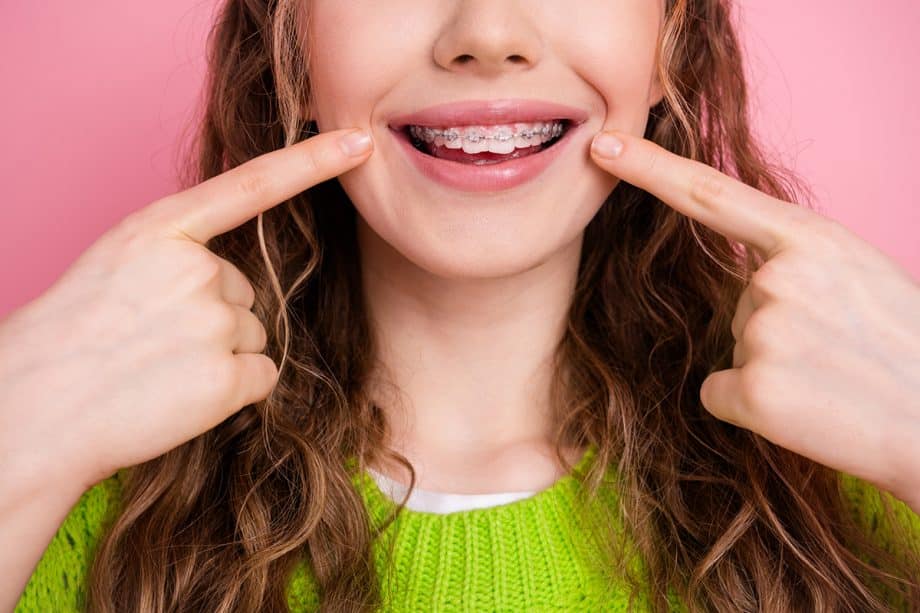
The day your braces come off is a big moment. After months or even years of adjustments, you finally get to see your straight, healthy smile. Many of our patients are surprised to learn that the work isn’t finished. Your teeth have been moved into new positions, but they haven’t fully settled there. Without consistent retainer use, they can and often do drift back toward where they started.
As orthodontists, we see this happen more often than you might think. Patients who were thrilled with their results come back years later wondering why their smile doesn’t look the way it once did. In nearly every case, the answer comes down to retainer wear. In this post, we explain why teeth shift after braces, what you can do to prevent it, and what steps to take if you’ve already noticed changes.
What Happens to Your Teeth After Braces Come Off
Braces work by applying steady, gentle pressure that gradually moves teeth through the jawbone. When your braces are removed, your teeth are in their ideal positions, but the structures surrounding them are still adjusting. The bone, gums, and ligaments that hold your teeth in place need time to reorganize and stabilize around the new alignment.
During this period, your teeth are especially vulnerable to movement. Think of it like a newly planted tree that needs a stake to keep it upright until its roots take hold. Your retainer serves as that stake, holding everything steady while your mouth catches up to the changes braces created.
The Science Behind Orthodontic Relapse
The tendency of teeth to move back toward their original positions is called orthodontic relapse. Several biological factors contribute to it.
The Periodontal Ligament
Each tooth is connected to the jawbone by a network of tiny fibers called the periodontal ligament. As braces move a tooth, these fibers stretch and compress. Once treatment ends, the ligament needs several months to reorganize around the tooth’s new position. Until that happens, the fibers can pull the tooth back toward where it used to be.
Gum Fibers With a “Memory”
The gum tissue around your teeth contains elastic fibers that are even slower to adapt. Some of these fibers can take a year or longer to remodel. They behave almost like stretched rubber bands, and they continue to exert a pulling force long after your braces are gone. This is one reason rotated teeth are particularly prone to twisting back.
Bone Remodeling
As your teeth move, the bone around them breaks down on one side and rebuilds on the other. This new bone is softer at first and needs time to harden. Until it fully matures, it provides less support, making it easier for teeth to shift under everyday pressure.
Other Factors That Cause Teeth to Shift
Even after the initial settling period, teeth don’t stay completely still. Natural changes continue throughout life, which is why long-term retainer use matters.
Aging: As we get older, teeth tend to drift gradually toward the front of the mouth. This natural process can lead to crowding, especially in the lower front teeth, even in people who never had braces.
Continued jaw growth: Teens and young adults may still experience jaw growth after treatment ends. These subtle changes can affect how the teeth fit together.
Oral habits: Tongue thrusting, nail biting, chewing on pens, and clenching or grinding can all push teeth out of alignment over time.
Gum health: Gum disease can weaken the support around the teeth and make them more likely to move. Keeping up with brushing, flossing, and regular dental cleanings helps protect your results.
Tooth loss or dental work: When a tooth is lost or extracted, neighboring teeth often tip or drift into the open space.
How Retainers Keep Your Smile in Place
Retainers hold your teeth in their corrected positions while the surrounding tissues stabilize, and they continue guarding against natural drift for years afterward. We recommend the type of retainer that best fits each patient’s needs, and there are a few common options.
- Removable clear retainers are custom-made, thin plastic trays that fit snugly over your teeth.
- Removable wire retainers combine a custom acrylic piece with a thin wire that rests across the front teeth. They are durable and can be adjusted if needed.
For most patients, retainer wear starts out full time for a period after braces are removed and then transitions to nighttime wear. We give every patient specific instructions based on their treatment, and following those instructions closely is the best way to keep your smile looking its best.
Signs Your Teeth Are Starting to Shift
Relapse usually happens gradually, so it’s easy to miss early on. Pay attention to these warning signs:
Your retainer feels tight or uncomfortable when you put it in, or it no longer seats fully on your teeth. You notice new gaps between teeth that were previously closed. Your front teeth look slightly crowded, overlapped, or rotated. Your bite feels different when you chew or close your mouth. Floss catches or snaps in places it didn’t before.
If you notice any of these changes, it’s a good idea to reach out to us sooner rather than later. Minor shifting is often much easier to address when it’s caught early.
What to Do If You Stopped Wearing Your Retainer
Life gets busy, and retainers get lost, broken, or forgotten in a drawer. If you’ve fallen out of the habit, don’t panic. Try putting your retainer back in. If it fits with only mild pressure, wearing it consistently may gently guide your teeth back into place. If it feels very tight, causes pain, or won’t fit at all, stop forcing it and schedule a visit with us.
We can evaluate how much your teeth have moved and recommend the right next step. In some cases, a new retainer is all that’s needed. If the shifting is more significant, a short course of clear aligners or braces may be the best way to restore your results.
Tips for Making Retainer Wear a Habit
Consistency is the key to protecting your smile. These simple strategies can help:
Keep your retainer case in the same spot every night, such as next to your toothbrush. Set a phone reminder until wearing your retainer becomes routine. Always store your retainer in its case rather than wrapping it in a napkin, which is one of the most common ways retainers get thrown away. Clean your retainer daily with cool water and a soft brush to keep it fresh. Bring your retainer to your follow-up appointments so we can check the fit.
Protecting Your Investment for the Long Term
Orthodontic treatment is an investment of time, effort, and resources, and your retainer is what keeps that investment paying off. Teeth naturally want to move, both right after braces and throughout life. Wearing your retainer as directed gives the bone, gums, and ligaments time to stabilize and guards against the gradual changes that come with age. A few minutes of effort each night is a small price for a smile that stays straight for decades.
If you have questions about your retainer or have noticed your teeth starting to shift, our team is always happy to help. We serve patients in Iowa City, Fairfield, Washington, Williamsburg, and the surrounding areas, and we’ll work with you to find a retainer routine that fits your life.
Frequently Asked Questions About Why Teeth Shift After Braces Without Proper Retainer Use
How long do I need to wear my retainer after braces?
Most patients wear their retainer full time for a period after braces come off and then switch to nighttime wear. Because teeth can shift at any age, we generally recommend continuing nighttime wear long term to maintain your results.
How quickly can teeth shift without a retainer?
Teeth can begin moving within days or weeks of skipping retainer wear, especially soon after braces are removed. The amount of movement varies from person to person, but noticeable changes can develop quickly.
Can shifted teeth be moved back into place?
Yes. Minor shifting can sometimes be corrected by resuming retainer wear or getting a new retainer. More significant movement may require a short round of braces to restore alignment.
Is it normal for my retainer to feel tight?
A retainer may feel slightly snug if you’ve missed a night or two, which is a sign your teeth have started to move. If it feels very tight, painful, or won’t fit, contact your orthodontist rather than forcing it into place.
What should I do if I lose or break my retainer?
Contact your orthodontist as soon as possible so a replacement can be made. The longer you go without a retainer, the more likely your teeth are to shift.
Dr. Suzanne Stock is a board-certified orthodontist providing braces, clear aligners, retainers, and comprehensive orthodontic care to children, teens, and adults in Iowa City, Fairfield, Washington, Williamsburg, and the surrounding areas. To protect your smile or schedule a complimentary consultation, contact us today.